
From Design Freeze to Flight Hardware: RWTH Aachen’s ASTRID Project
After design freeze, RWTH Aachen accelerated ASTRID’s transition from CAD to flight hardware using multi-technology manufacturing through MakerVerse.
Aerospace | Research | University
Germany
Academic Research Team
Prototype Manufacturing & System Validation
CNC Machining, Metal & Polymer 3D Printing
Aerospace-grade metals and engineering polymers
Structural components, propulsion elements, and system hardware for the ASTRID rocket
Transition from design phase to manufacturing and verification
Accelerated hardware readiness for testing and qualification toward EuRoC 2026
RWTH Aachen University’s Space Team is developing ASTRID, a student-built research rocket designed for the European Rocketry Challenge (EuRoC) 2026.
After completing the critical design review, the project entered its most demanding phase: turning detailed engineering into real hardware for manufacturing, testing, and system qualification.
Their priority was clear: move fast from finalized designs to physical components while minimizing sourcing complexity so the team could focus on integration, testing, and flight preparation.
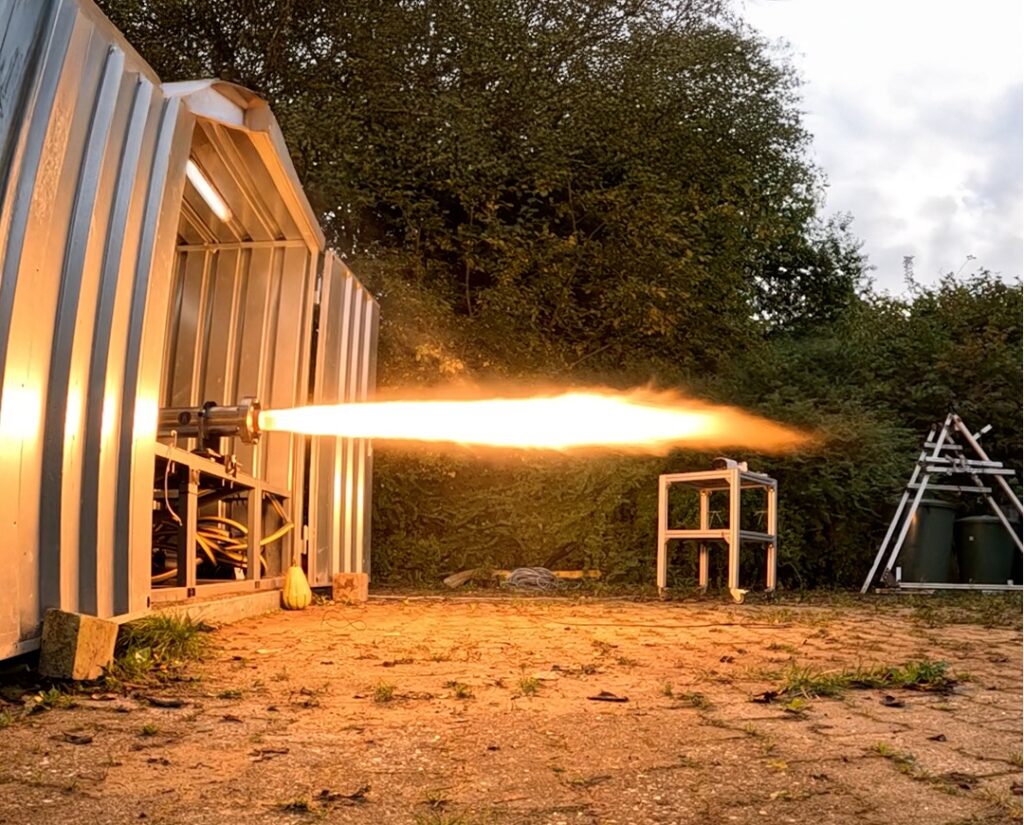
Credit: RWTH Aachen Space Team
After completing our critical design review, the focus shifted to manufacturing and verification. Having reliable access to production allowed us to move quickly into hardware testing across multiple subsystems
Malte Schüttrumpf
Project Lead, Project ASTRID
 The Challenge:
From Final Design to Verified Hardware Under Tight Timelines
With the design phase completed, multiple subsystems needed to transition into manufacturing at the same time, including:
Structural components such as bulkheads, composite interfaces, and recovery hardware
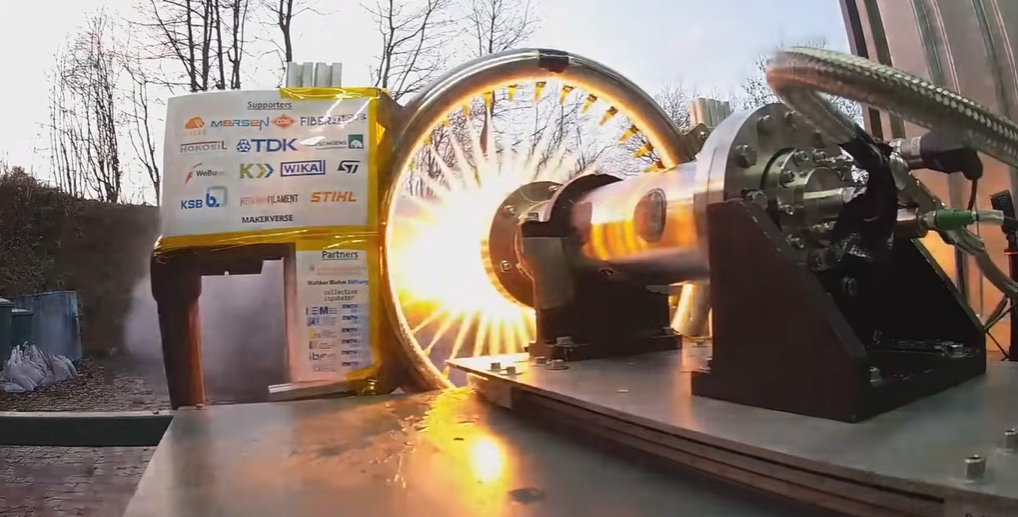
Propulsion system elements for hot-fire validation
Avionics hardware and integration components
The team faced several constraints:
Limited time before qualification and flight milestones
Complex, high-performance geometries
Iterative development requiring fast production cycles
The need to coordinate multiple parts across different manufacturing processes
Managing multiple suppliers would have slowed progress and increased project risk.
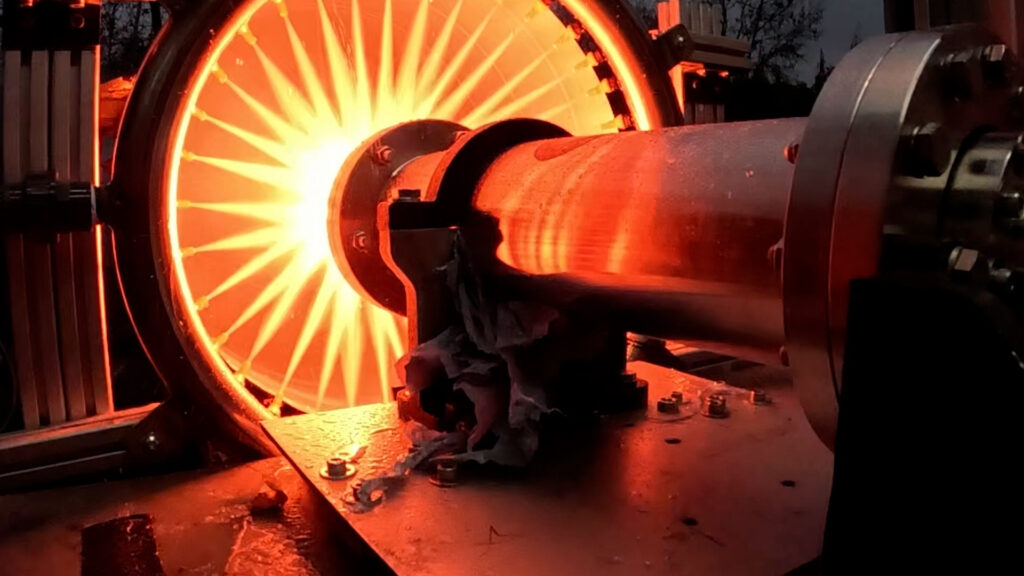
Credit: RWTH Aachen Space Team
 The Solution:
One Platform for Multi-Technology Prototype Manufacturing
The ASTRID team used MakerVerse to source critical components through a single platform, accessing CNC machining and additive manufacturing capabilities from a global supplier network.
This enabled them to:
Produce complex parts across multiple technologies
Reduce supplier coordination effort
Start manufacturing immediately after design finalization
Support rapid iteration as testing results informed design updates
By simplifying procurement, the engineering team could focus on system integration, testing, and verification instead of supplier management.
 The Results
Hardware Progress Across All Major Systems
Following the critical design review:
Structural designs were finalized and prepared for manufacturing
Propulsion testing advanced, including successful hot-fire campaigns
Avionics hardware iterations were produced and tested
Recovery system design moved into manufacturing preparation
System verification activities began across subsystems
The project successfully transitioned from design to hardware development, a key milestone on the path to vehicle qualification and flight
Other Use Cases




Want to speak with an expert?
Schedule a talk to help get your project started.