How to Prototype Sheet Metal Parts Fast
Speed in sheet metal prototyping is not about cutting corners. It is about making the right decisions early so designs move from CAD to physical parts without redesigns, supplier back-and-forth, or unexpected tooling changes.
For engineering and procurement teams, fast prototyping means validating form, fit, and manufacturability quickly while keeping the path to production open. This guide explains how to accelerate sheet metal prototyping and avoid the delays that typically slow projects down.
Define the Goal of the Prototype First
Not all prototypes serve the same purpose. The fastest route depends on what you need to validate.
Common Prototype Objectives
Form and fit validation
Checking assembly interfaces, mounting points, and clearances.
Functional testing
Evaluating stiffness, vibration, thermal behavior, or load performance.
Production feasibility
Confirming bend sequences, tolerances, and manufacturability before scaling.
Pre-production samples
Parts made with production processes to reduce risk before ramp-up.
When the objective is unclear, teams often over-specify tolerances or finishes, unnecessarily increasing costs and lead times.
Design for Speed From the Start
Most delays in sheet metal prototyping come from design issues that require supplier clarification or redesign.
Keep Geometry Manufacturable
Respect minimum bend radii
Use a bend radius at least equal to material thickness unless a specific process is confirmed.
Avoid tight tolerances on bent features
Bending introduces variation. Apply tight tolerances only where function requires it.
Standardize hole sizes and spacing
Avoid features too close to bends or edges.
Minimize complex bend sequences
Each additional bend increases setup time and risk.
Designs that align with standard press brake capabilities move through production much faster.
Start Your Manufacturing Project with MakerVerse
MakerVerse is a platform for sourcing industrial parts. It provides instant access to a vetted supply chain and a full range of manufacturing technologies. With AI-powered quoting, order management, and fulfilment, MakerVerse helps with everything from initial prototypes to full-scale production.
Choose the Right Prototyping Method
The fastest option depends on quantity, complexity, and how closely the prototype needs to match production.
Laser Cutting + Press Brake (Most Common)
Best for:
- Functional prototypes
- Low quantities (1–50 parts)
- Fast turnaround
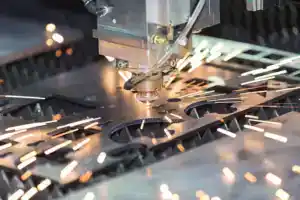
This method uses the same processes as production, making it ideal for early validation.
Soft Tooling or Forming Tools
Best for:
- Complex-forming features
- Higher prototype quantities
- Pre-production validation
Tooling adds time upfront but reduces unit cost and variation when multiple iterations are required.
Hybrid Prototyping
For very early stages, teams sometimes validate geometry using:
- 3D printed plastic models
- Flat laser-cut samples before bending
This approach can catch design issues before committing to full sheet metal fabrication.
Select Materials That Match Your Timeline
Material choice affects availability, processing time, and cost.
Fast-Turn Materials
Widely available materials typically offer the shortest lead times:
- Aluminum (5052, 6061)
- Mild steel
- Stainless steel (304)
Exotic alloys, uncommon thicknesses, or special finishes can add days or weeks.
If the goal is design validation rather than material testing, consider using a standard material for early iterations and switching later.
Simplify Finishes During Early Iterations
Surface treatments often significantly extend lead times.
Recommended Approach
Early prototypes
- As-cut or deburred
- No coating or painting
Later validation stages
- Powder coating
- Anodizing
- Plating
Separating geometry validation from cosmetic or corrosion finishes keeps early cycles fast.
Reduce Iteration Time With Smart Documentation
Incomplete drawings are one of the main causes of delays.
What to Include
- Material and thickness
- Bend angles and directions
- Critical dimensions only
- Tolerance strategy (general vs critical)
- Flat pattern or STEP file
Avoid over-dimensioning. Excessive tolerances slow quoting and may trigger unnecessary process changes.
Stay on Schedule with MakerVerse
Unreliable lead times can disrupt your entire project. MakerVerse provides consistent delivery windows, real-time order tracking, and a dependable supply chain. From prototype to production, you stay in control and on time.
Plan for Assembly Early
Many sheet metal prototypes fail late because assembly requirements were not considered.
Key Checks
- Tool access for fasteners
- Clearance for bends and flanges
- Standard hardware compatibility
- Stack-up tolerances across multiple parts
Catching assembly issues during the first prototype cycle saves multiple redesign rounds.
Align Prototyping With Production Strategy
Fast prototyping should reduce risk for production, not create a separate design path.
H3: Best Practices
- Use production materials whenever possible
- Validate bend reliefs, hole positions, and tolerances early
- Confirm manufacturability with the intended process
- Avoid prototype-only geometries
Prototypes that match production conditions prevent late design changes.
Where Most Teams Lose Time
Common causes of slow sheet metal prototyping:
- Tight tolerances applied everywhere
- Unclear bend specifications
- Non-standard materials or thicknesses
- Cosmetic finishes requested too early
- Multiple suppliers for cutting, bending, and finishing
- Back-and-forth during quoting due to incomplete documentation
Speed comes from reducing decision friction, not from pressuring suppliers to deliver faster.
How Companies Accelerate Sheet Metal Prototyping
The biggest delay in most projects is not fabrication. It is sourcing, quoting, and coordinating multiple suppliers.
When you upload your design to the MakerVerse platform, you receive a quote for sheet metal fabrication based on your material, thickness, and geometry. If the design includes features that may slow production or increase costs, your MakerVerse account manager reviews the part and suggests adjustments to improve manufacturability and turnaround time.
Because MakerVerse supports sheet metal, CNC machining, industrial 3D printing, and injection molding, teams can validate different prototype strategies within one workflow instead of managing separate vendors.
This is especially valuable when early iterations require switching materials, thicknesses, or manufacturing approaches to meet timeline constraints.
Fast Sheet Metal Prototyping Checklist
Before releasing a prototype:
- Objective clearly defined (fit, function, or production validation)
- Standard material and thickness selected
- Bend radii and tolerances aligned with manufacturing
- Finishes removed unless required for testing
- Assembly considerations validated
- Documentation is complete but not over-dimensioned
Fast sheet metal prototyping is the result of good decisions, not rushed manufacturing. Teams that design for standard processes, simplify early iterations, and align prototypes with production requirements can move from concept to validated parts in days instead of weeks.
The companies that iterate fastest are not the ones pushing suppliers harder. They are the ones removing complexity before the first part is ever made.