
3D Printing Spare Automotive Parts: Goodbye Inventory, Hello Efficiency
3D printing cuts spare parts lead times, reduces inventory costs, and keeps vehicles running longer.


Co-founder and CFO at nFrontier


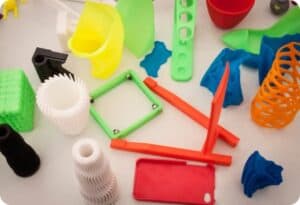
The plastic component is immersed in a dye bath, allowing the color to penetrate the material. This creates a uniform color appearance and improves surface scratch resistance.
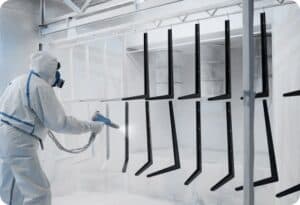
Painting enhances the visual appearance of the part and can help evaluate design and surface quality during prototype validation.
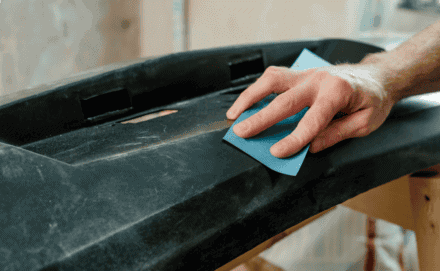
Sanding smooths the surface and removes visible defects such as support marks or material blobs. The process depends on layer height and initial print quality.
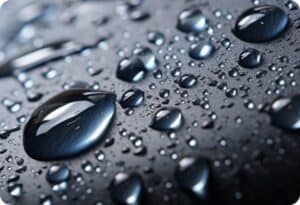
An aqueous sealing solution closes the outer surface and fills small pores. Depending on geometry, the solution is applied manually or by dipping.
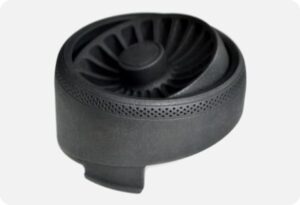
A chemical smoothing process dissolves the outer layer of the part, resulting in a significantly smoother surface and improved visual quality.


 ABS-ESD7
  ABS-M30 ABS-M30i ASA Onyx® PC PC-ABS ULTEM® 1010 ULTEM® 9085 ABS-ESD7 ABS-M30 ABS-M30i ASA Onyx®
Onyx is a micro carbon fiber filled nylon with excellent mechanical properties (strength, toughness) as well as chemical resistance.
Onyx is used in a variety of applications, both consumer and industrial. Its appearance and mechanical properties make it popular for end-use parts.
PC PC-ABS ULTEM® 1010 ULTEM® 9085 3D printing cuts spare parts lead times, reduces inventory costs, and keeps vehicles running longer.

Get better value on SLS, SLA, and Economy LPBF. New pricing, same high-quality parts.

Learn how to adjust and improve surface roughness.

Curious about WAAM (Wire Arc Additive Manufacturing)? See how this technology works, when to use it over LPBF, and more.