
Popular Applications for Laser Powder Bed Fusion (LPBF)
Discover the top applications.


Vice President of Additive Manufacturing at Siemens Energy


Protects SLA prints from UV exposure while enhancing visual appearance. This finish helps maintain color stability and preserves the part’s structural integrity over time.
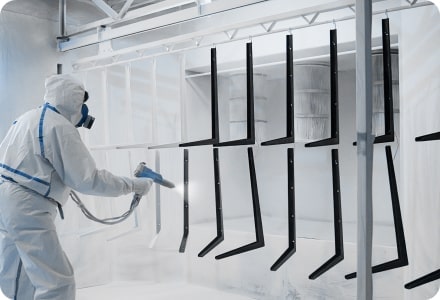
A primer is first applied to create a smooth base, followed by a color coating. This enables detailed, high-quality surfaces and customized visual results.
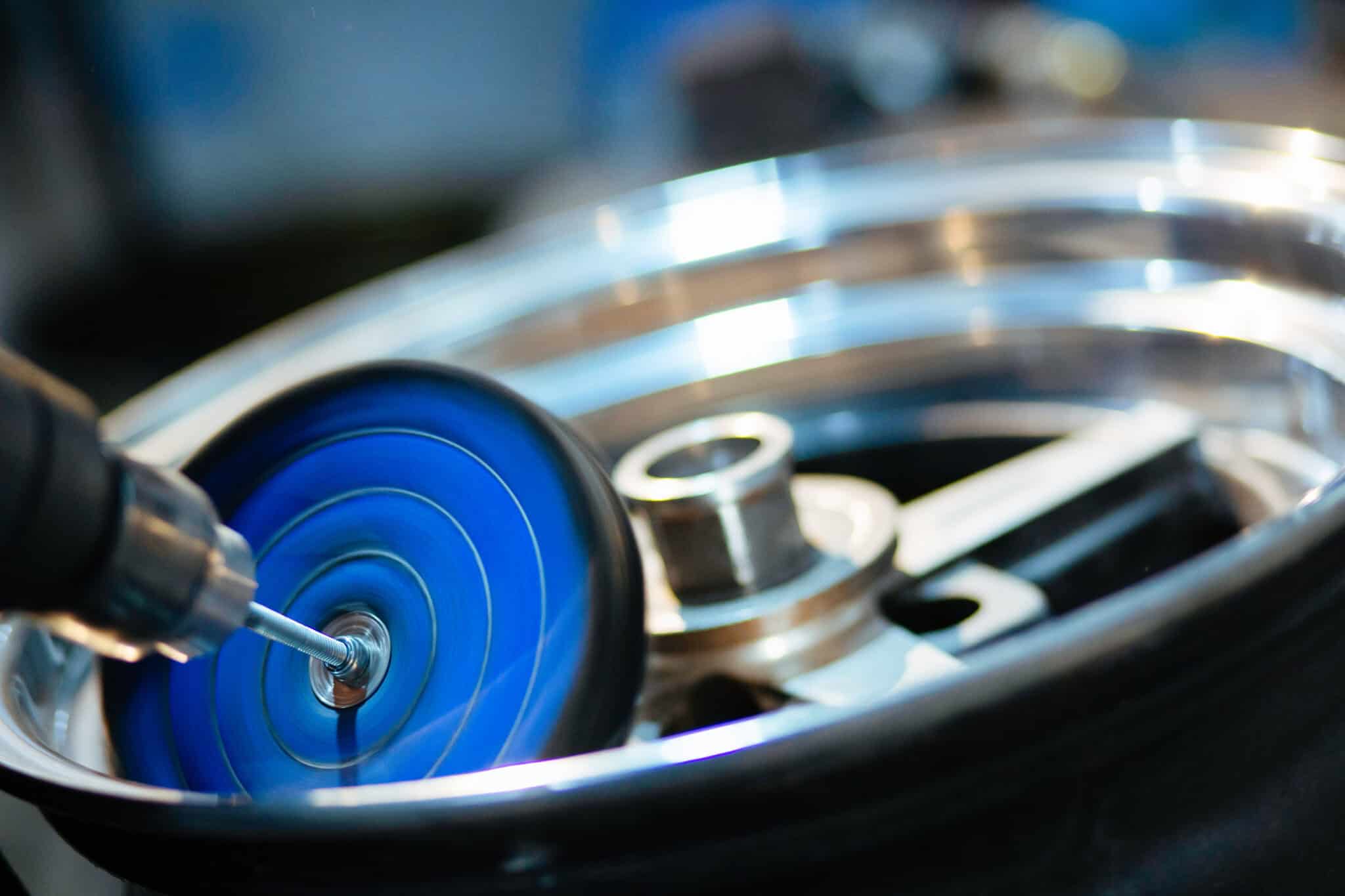
Careful buffing and smoothing create a glossy, reflective surface that enhances fine details and can improve transparency.

Fine particles such as sand or glass beads remove the outer layer to create a smooth, uniform surface and eliminate support marks.


 Standard Resin
  Black Resin Functional Resin High-Detail Resin High-Temperature Resin Tough Resin Transparent Resin Standard Resin Black Resin Functional Resin High-Detail Resin High-Temperature Resin Tough Resin Transparent Resin
 Discover the top applications.

Automation in 3D printing post-processing boosts efficiency, consistency, and speed

Discover how to prevent color inconsistencies in Selective Laser Melting (SLM) with process improvements and material selection.
Learn how to minimize costs when it comes to making metal parts with L-PBF technology.